The Value of Preventive Care for Norweco Singulair Green in Wantage NJ

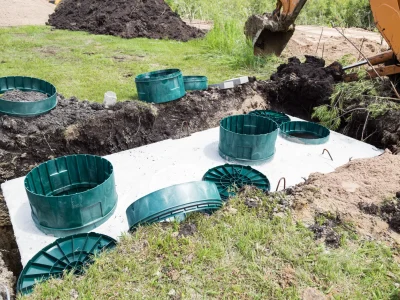
Homeowners rarely think much about wastewater treatment when everything is working the way it should. Toilets flush, sinks drain, the yard stays dry, and there is no odor near the tank or discharge area. That quiet reliability is exactly what makes preventive care so valuable. A Norweco Singulair Green system is designed to treat household wastewater efficiently, but like any mechanical and biological treatment system, it performs best when someone pays attention before trouble starts.
For property owners dealing with a norweco singulair green Wantage NJ installation, preventive care is not just a nice habit. It is one of the clearest ways to protect system performance, avoid costly emergency calls, and extend the life of major components. In a place like Wantage, where seasonal weather swings, groundwater conditions, and power interruptions can all affect onsite wastewater systems, routine service often makes the difference between a stable system and an expensive headache.
Why preventive care matters more with advanced treatment systems
A conventional septic system has fewer mechanical parts. A treatment unit like the Singulair Green does more work. It uses aeration and clarification to produce higher quality effluent, and that added treatment depends on components staying in proper working order. The biology inside the tank needs the right conditions. The air delivery needs to remain consistent. The controls and alarms need to function when they are needed, not after a problem has gone unnoticed for weeks.
That is the point many homeowners miss. These systems are durable, but they are not self-managing. They are engineered systems. If the air supply drops, solids carry over, or sludge builds beyond where it should, performance can slip gradually. At first, there may be no obvious symptom indoors. The trouble often shows up later, after a wet season, a heavy household usage period, or an inspection tied to a property sale.
Preventive care catches small issues while they are still small. A technician can notice a weakening aerator output, a dirty filter, excess foam, solids accumulation, or an alarm circuit problem long before those issues turn into backups or treatment failures. From a cost standpoint, that is where maintenance pays for itself. Replacing a worn part on a planned visit is one kind of expense. Excavation, emergency pumping, property disruption, and possible disposal field stress are another.
What the Singulair Green depends on day to day
The Norweco Singulair Green is not mysterious, but it does rely on several treatment stages working together. Wastewater enters the system, solids settle where they should, air supports aerobic treatment, and clarified effluent moves onward. When one part of that sequence is compromised, the system may still appear functional for a time, but it is no longer operating at its best.
The most common weak point is neglect, not defective design. In the field, I have seen well-built treatment units struggle simply because nobody opened the access covers for too long, nobody checked sludge levels, or an owner ignored an alarm panel because the toilets were still flushing. Wastewater systems rarely fail all at once. They drift out of tune first.
That drift matters because the downstream parts of the system, whether discharge components, dispersal areas, or associated piping, depend on reasonably treated effluent. If solids move where they should not, the damage is not always immediate, but it accumulates. Once a disposal area becomes stressed, the repair conversation becomes much more expensive and much less convenient.
Wantage, NJ adds its own set of pressures
Local conditions always shape maintenance needs. Wantage is not the same as a dry, warm region where systems see relatively stable soil moisture and mild winters. Sussex County properties often deal with freeze-thaw cycles, wet springs, storms, and variable lot conditions. Some sites are straightforward. Others have shallow restrictive layers, sloped grades, or seasonal groundwater concerns that make consistent system performance even more important.
Heavy rainfall does not directly fix or flush a treatment system, despite what some homeowners assume. In fact, wet weather can reveal underlying weakness. If soil around the disposal area is already stressed, if infiltration is occurring where it should not, or if the unit has not been maintained and is sending less-than-ideal effluent onward, a rainy period can expose the problem fast. You may see slower drains, soggy ground, or odors that were not obvious during drier weather.
Winter creates a different challenge. Mechanical systems need protection from neglect during cold months. Lids should remain secure, risers in good shape, and access should not be blocked for so long that service gets skipped. A unit that enters winter already overdue for maintenance is more likely to produce ugly surprises when spring arrives and the water table rises.
Power reliability matters too. Treatment units that rely on aeration are not happy when electrical interruptions go unnoticed. Brief outages happen, but repeated or extended loss of power can interfere with treatment quality. That is another reason inspections matter. A technician can verify that controls, alarms, and recovery behavior all make sense after seasonal weather events.
The financial case for maintenance is stronger than most owners think
Some homeowners hesitate to schedule service because they feel the system is already “working fine.” On paper, skipping a maintenance visit may save a few hundred dollars in the short term. In practice, that gamble often costs norweco singulair green Wantage NJ more later.
A neglected aerator can shorten the life of related components. A tank overdue for pumping can allow solids to interfere with treatment zones. A blocked filter can reduce flow efficiency and put stress on the system upstream. None of these problems starts as a dramatic event, which is exactly why people put them off. Then one holiday weekend, the house is full, laundry is nonstop, and the system finally shows its age all at once.
The repair bill after a preventable failure is rarely limited to one part. There may be diagnostic time, emergency dispatch charges, pumping, replacement components, cleanup, and in severe cases further evaluation of the discharge or disposal side. If the yard has to be disturbed, the price climbs again. If the issue affects a real estate transaction, there is another cost entirely, because delayed closings and last-minute inspections do not create bargaining power for the seller.
Preventive care is not glamorous, but it is one of the best examples of routine spending preventing capital spending.
What a good preventive service visit actually looks like
A proper maintenance visit should be more than a quick glance and a signature. A trained service provider should evaluate the system’s operating condition, inspect major components, and note trends over time. That trend tracking is especially useful with treatment units because performance issues often develop gradually.
A solid visit usually includes the following:
- checking the aeration or blower function and confirming air movement is adequate
- inspecting the control center, alarm operation, and visible electrical connections
- examining sludge and scum accumulation to judge whether pumping is approaching
- looking for signs of solids carryover, excess foam, or unusual odor inside the unit
- reviewing the condition of filters, access lids, risers, and visible discharge components
That kind of inspection does two things at once. First, it confirms whether the system is healthy right now. Second, it creates a service history. Over time, that history becomes valuable. It can show how quickly solids accumulate in a specific household, whether a part is aging, or whether usage patterns are putting unusual stress on the system.
I have seen homes with nearly identical equipment require very different service timing simply because one family has two people and careful water habits, while another has five occupants, frequent guests, and heavy laundry use. Preventive care is not just about the model number. It is about how that system lives on a specific property with specific users.
Pumping is not the whole maintenance story
One of the most common misunderstandings is the idea that septic pumping alone equals full care. Pumping is important, but it is only one part of system health. A Singulair Green unit needs attention to both solids management and operational performance.
If a homeowner pumps on schedule but never has the mechanical and treatment components evaluated, they can still end up with poor aeration, control issues, or treatment imbalances. On the other side, if someone services the mechanical side but lets sludge accumulate too long, they are asking for solids-related trouble. Both matter.
How often a tank needs pumping depends on occupancy, water use, and actual solids buildup. There is no universal calendar that fits every home. Some properties need more frequent pumping because the family size is larger or because kitchen and laundry loads are heavy. Others can go longer. A technician should base that recommendation on observed conditions, not guesswork.
This is where local experience counts. Someone familiar with advanced treatment systems in Wantage can often spot patterns tied to seasonal occupancy, rural water use habits, and the kinds of property layouts common in the area.
Homeowner habits make a bigger difference than people realize
Preventive care does not start and end with the service company. Daily habits inside the home either support or undermine the treatment process. The system can handle normal household wastewater, but it is not a trash can and it is not invincible.
The usual offenders are grease, wipes labeled “flushable,” harsh chemical dumping, and sudden hydraulic overload from doing too much water use in a short period. A single bad habit may not cause instant failure, but repeated stress changes how the unit performs.
Laundry is a good example. Spreading loads across the week is gentler on the system than running many back to back. The same principle applies to long showers from multiple guests, heavy tub use, or a weekend of non-stop cleaning. Advanced treatment units still benefit from steady, predictable flows.
Kitchen behavior matters too. Grease and food solids belong in the trash, not down the drain. Homeowners often underestimate how much fat cools and accumulates over time. Even if the material does not create an immediate clog, it adds to maintenance burden and can interfere with treatment.
Early warning signs worth taking seriously
A well-maintained system often gives warnings before a major failure. The trouble is that many owners either miss them or explain them away. Small changes deserve attention, especially in a treatment system that normally operates quietly.
Watch for signs like these:
- an alarm light or audible alert, even if fixtures still seem normal
- persistent odor near the tank, control area, or discharge point
- drains that suddenly become sluggish across more than one fixture
- unusually wet or soft ground where it should be dry
- gurgling, backups, or recurring plumbing behavior after heavy water use
The right response is not panic. It is timely service. A quick inspection after the first warning sign often prevents a much larger repair. The worst move is silence the alarm and wait for the next symptom.
Real estate, liability, and peace of mind
Preventive care has value even when nothing appears wrong, especially if a sale or refinance is on the horizon. A documented service history can help reassure buyers that the system has not been ignored. It also gives the current owner a chance to address manageable issues before they become negotiating leverage for someone else.
In rural and semi-rural markets, buyers are increasingly aware that wastewater systems deserve scrutiny. A home with an advanced treatment unit is not a problem, but buyers want evidence of competent ownership. Records of maintenance, pumping, inspections, and any component replacements help tell that story clearly.
There is also a practical liability issue. If untreated or poorly treated wastewater creates surfacing, odor, or discharge concerns, the problem can affect more than the homeowner. Preventive care reduces the chance that a private maintenance issue grows into a larger environmental or regulatory conversation.
Choosing the right service approach in Wantage
Not every plumbing company is the right fit for an advanced onsite treatment system. Homeowners should look for technicians who understand treatment units, not just basic septic pumping. Mechanical familiarity matters. So does local experience with New Jersey conditions, permitting expectations, and the kinds of site limitations common in Wantage and the surrounding area.
A good service relationship is built on straightforward communication. The best providers explain what they observed, what is normal, what is aging, and what should be addressed now versus later. They do not automatically turn every visit into a sales pitch, but they also do not minimize legitimate issues.
When I talk with homeowners about maintenance planning, I encourage them to ask practical questions. norweco singulair green Wantage NJ What exactly gets checked on each visit? How is pumping need determined? What happens if an alarm goes off on a weekend? Are service notes documented? These are not fussy questions. They are the questions that reveal whether a company treats preventive care as a serious discipline or a box to check.
A seasonal mindset works well in Sussex County
For many homeowners, the easiest way to stay ahead of system issues is to think seasonally. Spring is a smart time to inspect after winter stress and wet conditions. Fall is a good checkpoint before freezing weather and holiday occupancy. Homes with higher use may need more frequent attention, but anchoring care to the calendar helps owners avoid the “I’ll get to it later” trap.
Seasonal awareness also means paying attention to what is happening on the property. If grading has changed, if heavy vehicles have crossed near system components, if surface runoff is moving differently, or if a sump or roof drain issue is sending excess water where it should not go, the wastewater system may feel those impacts. Preventive care is not only about the unit itself. It includes protecting the area around it from unnecessary stress.
The long view
A Norweco Singulair Green system is a serious piece of infrastructure for a home. It is easy to forget that because most of it is out of sight. Yet it supports daily life every bit as much as the heating system, well pump, or electrical panel. Few homeowners would knowingly ignore those systems for years and hope for the best. Wastewater treatment deserves the same respect.
The value of preventive care for a norweco singulair green Wantage NJ property comes down to reliability, cost control, and stewardship. Reliability means the system works when you need it, during ordinary weeks and busy ones. Cost control means catching wear and buildup before they become emergencies. Stewardship means recognizing that proper treatment protects not just your house, but also your yard, your investment, and the surrounding environment.
Homeowners who stay ahead of maintenance usually describe the benefit in simple terms. They sleep better. They are not guessing. They are not waiting for an odor, a backup, or a panic call before acting. That peace of mind is hard to measure on paper, but anyone who has dealt with a failed septic or treatment system knows exactly what it is worth.
Excavating New Jersey LLC
406 County Rd 565
Wantage, NJ 07461, United States
Phone: +1 (973) 791-4284
FAQ About norweco singulair green Wantage NJ
How does a Norweco septic system work?
Singulair Green uses aerobic biological treatment in a polyethylene tank, followed by settling and filtration. The treatment unit is one part of a complete wastewater system; the site design also determines how treated effluent is dispersed.
How much does a Norweco septic system cost in NJ?
A useful estimate requires a property evaluation. Excavation access, soil conditions, engineering, electrical work, the disposal field, and restoration can affect the total. Ask Excavating New Jersey LLC for a written scope that distinguishes installation costs from ongoing service costs.
Are Norweco septic systems good?
Singulair Green is an established aerobic treatment option, but suitability depends on the property and proposed design. Compare the model's documented performance, maintenance needs, and total project scope with alternatives before deciding.