Norweco Singulair Green Wantage NJ: A Helpful Resource for Local Homeowners
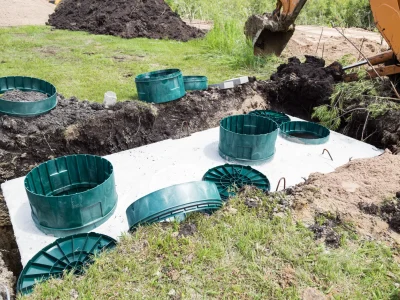
For many homeowners in Wantage, the wastewater system is easy to ignore until something goes wrong. Toilets flush, sinks drain, showers run, and the system stays out of sight. That quiet reliability is exactly what people want. The problem is that advanced treatment systems are not completely hands-off, and waiting for trouble usually makes a small issue more expensive and a lot less pleasant.
If you have been researching the norweco singulair green Wantage NJ topic, chances are you are either building a home, replacing an aging septic setup, buying property, or trying to make sense of inspection notes and service recommendations. The Norweco Singulair Green system often comes up in those conversations because it is designed as an advanced treatment unit, not a conventional old-style septic tank alone. That distinction matters, especially in areas where lot conditions, local approvals, water table concerns, or environmental requirements push homeowners toward more treatment before wastewater reaches the soil.
I have seen a pattern with these systems. Homeowners are usually comfortable once they understand two things: what the unit is actually doing, and what routine ownership really looks like. The mystery is what creates anxiety. Once the moving parts make sense, most people realize the job is less about constant tinkering and more about regular observation, scheduled maintenance, and good household habits.
Why a system like this comes up in Wantage
Wantage is not a place where every property fits neatly into one standard wastewater solution. Lot size, topography, setbacks, seasonal moisture, and existing site conditions can all influence what type of system is approved or recommended. On some properties, a conventional septic arrangement may work fine. On others, a more advanced treatment approach makes better sense, or becomes necessary.
That is where systems like the Singulair Green enter the picture. Instead norweco singulair green Wantage NJ excavatingnj.com of relying primarily on passive settling and soil treatment, this type of unit uses mechanical and biological treatment to clean wastewater to a higher level before discharge to the next part of the system. In plain language, it is doing more work inside the tank than a basic septic setup would.
That extra treatment can be helpful when site conditions are tighter or when a design professional needs better effluent quality to support the approved system layout. Homeowners sometimes hear that and assume “better treatment” means “complicated and fragile.” The reality is more balanced. The system is more sophisticated than a simple septic tank, yes, but it is still built around familiar principles: solids separation, aeration, biological treatment, and periodic service.
What the Norweco Singulair Green system is, in practical terms
The easiest way to understand a Singulair Green system is to stop thinking of it as just a tank underground. It is closer to a compact wastewater treatment plant for a single home. Wastewater from toilets, sinks, laundry, showers, and normal household use enters the system and moves through treatment stages. Those stages are designed to reduce solids and improve effluent quality before the water goes on to final dispersal.
A conventional septic tank mostly settles solids and sends partially clarified effluent to a drain field. An advanced unit like this adds oxygen and encourages aerobic bacteria, which break down waste differently and often more effectively than the mostly anaerobic conditions in a standard tank. Better treatment in the tank can reduce strain on the downstream soil dispersal area, though it does not eliminate the need for a properly designed and functioning discharge component.
This point is worth stressing because it is one of the most common misconceptions I hear. Homeowners sometimes believe the treatment unit replaces every other part of the wastewater system. It does not. Even a strong treatment unit still depends on the rest of the approved design, whether that is a soil absorption area, another dispersal method, or a permitted site-specific configuration.
What ownership feels like day to day
Living with one of these systems is usually uneventful, which is good news. You are not supposed to hear dramatic noises, smell sewage outside, or constantly reset equipment. A well-maintained system should blend into normal life. The main difference from a basic septic tank is that there is mechanical equipment involved, and that means maintenance is not optional.
Most homeowners adjust quickly once they know what normal looks like. A service provider may inspect the unit at scheduled intervals, check aeration and moving components, review sludge accumulation, clean or adjust parts as needed, and confirm the system is operating within expectations. Think of it the way you think about a furnace or well equipment. It is infrastructure. It works best when it is not neglected.
What catches people off guard is not daily operation but deferred maintenance. A family might go years without a problem, assume the system is fine, then face a repair that started as a much smaller issue. Motors, aerators, electrical components, sludge levels, and alarm conditions all matter more in an advanced unit than in a purely passive tank.
The local angle: weather, use patterns, and property realities
Wantage homeowners deal with seasonal swings. Cold winters, spring thaw, heavy rain periods, and varying occupancy patterns all affect how any onsite wastewater system performs. A house that sits quiet for part of the year behaves differently from a full-time family home with frequent laundry, long showers, and weekend guests.
Systems tend to prefer steady use over dramatic surges. That does not mean having people over is a problem. It means running six loads of laundry back to back, draining a hot tub into the system, or letting a leaking toilet run for weeks can create stress where none is needed. In wetter seasons, the downstream portion of the wastewater setup may also have less margin for abuse. That is another reason treatment quality and water conservation matter.
On older rural properties, another wrinkle appears. Some owners inherit pieced-together infrastructure, old tanks, undocumented modifications, or pumping histories that no one wrote down. When a property changes hands, especially in areas where homes may have additions, finished basements, or occupancy changes over time, the wastewater system deserves closer attention than many buyers give it.
What maintenance actually involves
A Singulair Green unit is not a “set it and forget it” system. That phrase frustrates some homeowners, but it is better to be honest. The good news is that responsible ownership is straightforward once the right service routine is in place.
A typical service approach often includes the following:
- Inspect mechanical and electrical components, including aeration-related parts and alarms.
- Check sludge and scum accumulation to see whether pumping is needed.
- Confirm that flow, treatment activity, and discharge conditions appear normal.
- Clean or adjust components that collect buildup or wear with use.
- Document findings so changes can be tracked over time.
That list is simple, but the discipline behind it matters. The real value of regular service is trend spotting. A technician who has seen the system repeatedly can notice subtle decline before it becomes a backup, odor issue, or expensive emergency visit.
Pumping intervals vary. Household size, water use, garbage disposal habits, and the age of the system all influence timing. It would be irresponsible to promise a fixed number of years for every home. Some households accumulate solids faster than others. The safest approach is to have sludge levels checked rather than guessing.
Signs that deserve attention sooner rather than later
The most expensive septic and treatment system problems often start with symptoms homeowners dismiss for too long. A little odor near the tank area, a slow drain that keeps returning, or an alarm that gets silenced without understanding the cause can be early warnings.
Here are a few signs that should prompt a call to a qualified professional:
- Persistent sewage odor outdoors or near plumbing fixtures
- Slow drains in multiple fixtures, especially if the pattern is new
- Standing water or unusually lush, wet patches near system components
- Alarm activation or visible equipment failure
- Gurgling, backups, or wastewater surfacing anywhere on the property
One isolated slow sink may just be a local clog. Several fixtures acting up at once tells a different story. Context matters. Good technicians ask questions about timing, weather, occupancy, and recent water use because those clues often narrow the diagnosis quickly.
Good habits that make a real difference
The best-maintained advanced treatment unit can still struggle if the household sends the wrong materials into it. Septic-safe behavior is not glamorous, but it saves money.
Flush only what should be flushed. “Flushable” wipes remain one of the most common troublemakers in wastewater systems of all kinds. Grease, excessive food waste, strong chemicals, and non-biodegradable products also create needless strain. I have seen homeowners spend serious money addressing issues that began with habits they thought were harmless.
Water use matters too. Many treatment and dispersal problems are not really treatment problems at all. They are hydraulic overload problems. A running toilet can waste astonishing amounts of water. Staggering laundry loads, fixing leaks quickly, and using water-efficient fixtures reduce avoidable stress on the system.
If the home has a garbage disposal, recognize the trade-off. It is convenient, but it adds organic solids. That can increase sludge buildup and maintenance demand. Some households use disposals sparingly and do fine. Others treat the sink like a compost grinder and then wonder why pumping comes sooner than expected.
Buying a home with a Norweco system in Wantage
Homebuyers often focus heavily on the roof, furnace, and well, then treat the wastewater system as an afterthought. That is a mistake. A Singulair Green unit can be a good asset, but buyers should understand its condition, service history, and ownership obligations before closing.
A clean inspection report should not just say the toilets flushed that day. It should address whether the unit appears operational, whether records exist, whether alarms function, whether maintenance has been performed regularly, and whether there are signs of hydraulic or component issues. If records are missing, that does not automatically mean the system is bad, but it does justify more caution.
It is also wise to learn who has serviced the unit locally. Advanced treatment equipment is not the same as a generic pump-and-go septic visit. A contractor familiar with the specific equipment is more likely to notice model-specific wear patterns, maintenance needs, and performance issues.
This is one of those cases where a few extra calls during due diligence can prevent a costly surprise after move-in.
Repair versus replacement, a judgment call homeowners often face
When a system starts having problems, homeowners naturally ask whether repair is enough or whether replacement is looming. The answer depends on where the problem lies. Mechanical issues inside the treatment unit may be repairable without changing the full system. If the downstream dispersal area is failing, the conversation becomes more complex.
That distinction matters financially. Replacing a motor, alarm component, or related piece of treatment equipment is one category of problem. Reworking a site-approved wastewater design is another. The first may be manageable. The second can involve engineering, permits, excavation, and property constraints.
I always suggest looking at three questions before deciding how aggressive to be with repairs. First, is the issue isolated or part of a pattern? Second, how old are the components involved? Third, is the rest of the system healthy enough to justify investing in the current setup? Spending money on an isolated repair within an otherwise sound system usually makes sense. Pouring money into recurring problems across multiple components often does not.
The role of service providers and why familiarity matters
Not every plumber or excavator handles advanced treatment units regularly. Some do, some do not. Homeowners are best served by technicians who understand both the equipment and the realities of local properties.
A knowledgeable service provider brings more than tools. They bring pattern recognition. They know what a normal unit should sound like, how sludge buildup in a particular usage pattern tends to develop, what homeowners often miss, and when a symptom points beyond the treatment unit to the rest of the system. They can also help owners avoid unforced errors, like using harsh additives no one needs or delaying maintenance because the system “seems fine.”
If you are in Wantage and trying to line up service, it helps to ask direct questions. How often do they work on Norweco units? Do they provide written maintenance records? Can they coordinate with pumping and inspection needs? Do they explain findings clearly? The right provider will not talk in circles or hide behind jargon.
Common misconceptions that lead to trouble
Advanced wastewater systems attract a lot of folklore. Some of it comes from old septic advice that does not fit modern treatment units. Some of it comes from wishful thinking.
One of the biggest misconceptions is that additives can replace proper maintenance. They cannot. Another is that if there is no odor and no backup, the system must be healthy. That is not always true. Some failures develop slowly and quietly. A third is that all service visits are interchangeable. They are not. A quick glance is not the same as meaningful inspection and maintenance.
There is also a tendency to confuse cleaner effluent with unlimited capacity. Better treatment does not mean you can ignore water use, skip pumping forever, or flush anything. Capacity and treatment quality are related, but they are not the same thing.
Protecting the investment over the long term
A wastewater treatment system is not the most visible part of a home, but it is absolutely part of the property’s value. Neglect can affect usability, saleability, and repair costs. Thoughtful ownership protects all three.
The homeowners who get the best long-term results are rarely obsessive. They are consistent. They keep records. They respond early to symptoms. They use water sensibly. They work with qualified professionals and ask practical questions.
If you are keeping a home for many years, records matter more than people think. When maintenance dates, pumping intervals, alarm events, repairs, and inspections are written down, patterns become obvious. If you eventually sell, those records also reassure buyers that the system has not been ignored.
For owners researching norweco singulair green Wantage NJ, that is really the heart of the matter. The system is neither mysterious nor maintenance-free. It is a specialized piece of home infrastructure that rewards informed ownership. Understand what it does, respect its service needs, and pay attention before small warning signs become large disruptions.
That approach is not complicated, but it is effective. And in a place like Wantage, where every property norweco singulair green Wantage NJ has its own quirks, that practical mindset usually matters more than any brochure ever will.
Excavating New Jersey LLC
406 County Rd 565
Wantage, NJ 07461, United States
Phone: +1 (973) 791-4284
FAQ About norweco singulair green Wantage NJ
How does a Norweco septic system work?
Singulair Green uses aerobic biological treatment in a polyethylene tank, followed by settling and filtration. The treatment unit is one part of a complete wastewater system; the site design also determines how treated effluent is dispersed.
How much does a Norweco septic system cost in NJ?
A useful estimate requires a property evaluation. Excavation access, soil conditions, engineering, electrical work, the disposal field, and restoration can affect the total. Ask Excavating New Jersey LLC for a written scope that distinguishes installation costs from ongoing service costs.
Are Norweco septic systems good?
Singulair Green is an established aerobic treatment option, but suitability depends on the property and proposed design. Compare the model's documented performance, maintenance needs, and total project scope with alternatives before deciding.